
Mae’r wefan hon yn cael ei diweddaru ar hyn o bryd
PA MOR BELL YN ÔL Y GALLWN OLRHAIN POBL NIWROWAHANOL?
PA MOR BELL YN ÔL Y GALLWN OLRHAIN POBL NIWROWAHANOL?
Beth yw
AMEND?
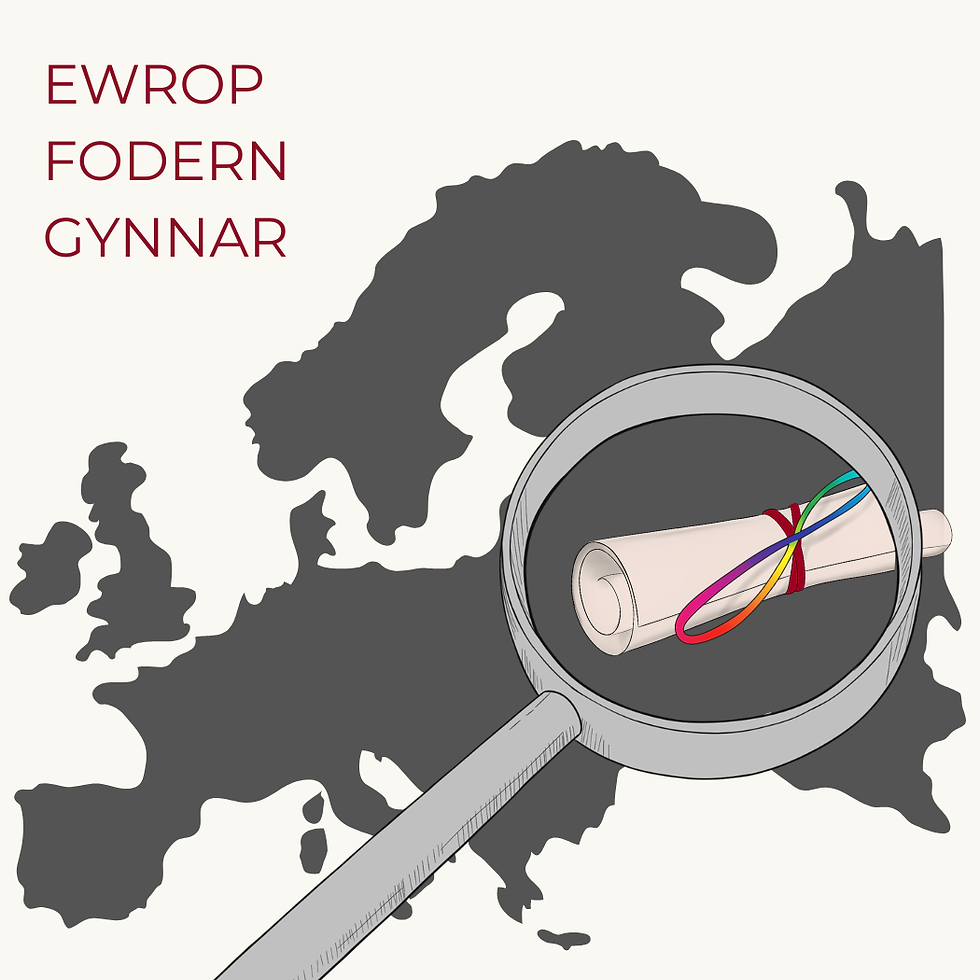
Beth yw AMEND? Prosiect sy'n creu map o Ewrop yw AMEND a fydd yn edrych am enghreifftiau o bobl niwrowahanol mewn ysgrifennu Ewropeaidd o'r unfed ganrif ar bymtheg a'r ddeunawfed ganrif. Yna bydd yn edrych ar sut mae pobl niwrowahanol heddiw yn uniaethu â'r ysgrifennu hyn.
eArly Modern European NeuroDivergence
Niwrowahanol
Beth mae hyn yn ei olygu?

Nid yw awtistiaeth yn wall prosesu. Mae'n system weithredu wahanol.
Sarah Hendrickx


Rydym yn creu map rhyngweithiol o Ewrop.
I weld cofnodion pobl niwrowahanol ledled Ewrop o 1550 i 1750!

Bydd ein map yn eich galluogi i chwilio am leoedd ledled Ewrop Fodern Gynnar, gan ddangos testunau gan a/neu am bobl a oedd yn arddangos ymddygiadau yr ydym bellach yn gwybod eu bod yn Niwrowahanol.

Rhan allweddol o'n prosiect yw map o niwrowahaniaeth yn Ewrop yn y cyfnod modern cynnar.
Rydym wrthi'n dylunio'r map, byddwch yn gallu defnyddio'r map i ddod o hyd i ffynonellau gwahanol am niwrowahaniaeth a phobl niwrowahanol, yn y cyfnod 1550-1750.
Neurowahaniaeth
Mae niwrowahaniaeth yn golygu meddwl, teimlo, synhwyro a/neu ymddwyn mewn ffyrdd sy'n wahanol i normau am sut y 'dylai'r’ meddwl dynol weithio, a/neu sy'n wahanol i feddwl pobl eraill. Noda Nick Walker fod y gair Saesneg 'neuro' yn golygu 'nerf' felly mae niwrowahaniaeth yn cyfeirio at fwy na'r ymennydd yn unig - mae'n cyfeirio at y system nerfol gyfan - a thrwy estyniad, at gymhlethdod llawn gwybyddiaeth ddynol a'r rôl ganolog mae'r system nerfol yn ei chwarae yn nawns corfforedig ymwybyddiaeth.1 Gall y normau hyn symud a newid rhwng cymunedau a diwylliannau, a thros amser. Nid oedd pobl fodern gynnar yn deall yr hyn rydym bellach yn ei alw'n niwrowahaniaeth mewn ffordd sengl neu unffurf. Fel mae Helen Hackett yn ein hatgoffa, yn y cyfnod modern cynnar, roedd nifer o ddamcaniaethau cystadleuol yn bodoli am y meddwl a'i berthynas â'r enaid a'r corff. Er ei bod yn canolbwyntio ar Loegr yn oes Elisabeth I, mae crynodeb Hackett yn berthnasol i Ewrop fodern gynnar yn ei chyfanrwydd: ‘it was a time of intense interest in the mind, when old and new intellectual frameworks intersected and clashed’, where ‘thinking about the mind was not stable or homogeneous, and cannot be reduced to a single framework. Rather, it was a rich, complex, tumultuous brew of competing ideas from diverse sources’.²
Er bod ein prosiect mapio ni'n canolbwyntio ar Ewrop fodern gynnar, nid yw hyn yn golygu bod rhaid i ni ei ddeall mewn ffordd Ewropeaidd yn unig. Mae Vishnu Nair, Warda Farah a Mildred Boveda yn ysgrifennu bod fframwaith sydd wedi'i ddad-drefedigaethu ‘liberates and reconceptualizes neurodiversity itself as one of the theories explaining diversity of bodyminds and as part of a vast global knowledge continuum rather than a singular dominant Western notion imposing itself onto other knowledge systems’.³ Mae ysgolheigion brodorol ym maes astudiaethau anabledd wedi dangos bod llawer o gysyniadau astudiaethau niwrowahaniaeth wedi bodoli ers amser hir mewn safbwyntiau Brodorol a gellir eu gwella a'u herio'n gynhyrchiol drwy feddwl Brodorol. Mae Lexi (Giizhigokwe) Nahwegiizhic yn pwysleisio bod diwylliannau brodorol bob amser wedi canolbwyntio ar yr hyn sydd orau i'r gymuned, tra mae ymagwedd frodorol Lavonna L Lovern yn canolbwyntio ar debygrwydd drwy brofiad a gwerth doethineb gwahaniaeth: y doethineb mae pobl yn ei feithrin o'u profiadau a'u doniau gwahanol; nid oes gan un person yr holl wybodaeth a'r holl ddoniau, felly rydym yn gweithio orau mewn cymunedau cydgysylltiedig.4 Yn yr oes fodern gynnar yn benodol, mae Astudiaethau o'r Diaspora Du Modern Cynnar yn ymroddedig i drafod y ffyrdd niferus yr oedd bywydau du yn bwysig yn y Dadeni cynnar – nid yn unig fel rhan o’r stori am yr hyn roedd Ewropeaid yn ei wneud ond fel y stori ei hun...datblygiad sydd ynddo ei hun yn tarfu ar epistemiolegau Ewroganolog presennol Bu nifer o'r bobl yn ein map - megis Anton Wilhelm Amo ac Ayuba Suleiman Diallo - yn teithio i sawl cyfandir.
Er y gallai Ewropeaid modern ddeall niwrowahaniaeth mewn ffordd eithaf secwlar, i bobl fodern gynnar, roedd crefydd yn fframwaith allweddol ar gyfer deall pobl a oedd yn wahanol. Mae Cristnogaeth Uniongred ac Islam yn fframweithiau hanfodol ar gyfer deall y testunau am yr Uwch-offeiriad Avvakum ac Ayuba Suleiman Diallo yn y map, er enghraifft. Mae Julia Gebke a Julia Heinemann yn nodi bod statws cymdeithasol, crefydd a statws priodasol neu rwydweithiau teuluol yn fframweithiau allweddol ar gyfer deall anabledd a niwrowahaniaeth yn Ewrop yn yr oes fodern gynnar.6 Er y gwelir yn aml heddiw ddigon o orgyffwrdd rhwng niwrowahaniaeth ac anabledd - a rhwng astudiaethau niwroamrywiaeth ac anabledd - nid oedd hyn bob amser yn wir ar gyfer pobl fodern gynnar. Ar yr un llaw, roedd ffyrdd o ddeall y corff ar sail hylifau (lefelau gwres, oer a hylifau gwahanol y corff) yn awgrymu cysylltiad cryf rhwng (an)abledd y meddwl a'r corff. Ar y llaw arall mae Daniel Blackie, Jenni Kuuliala, Riikka Miettinen a Godelinde Gertrude Park yn dadlau fel a ganlyn: , ‘To early modern Europeans, the idea that people they labelled as “idiots” had much in common with amputees or that both groups belonged to a special social category would have seemed absurd’.⁷
Ewrop Fodern Gynnar
Mae'r gair Ewrop, y dyddiau hyn, yn ysgogi amrywiaeth o emosiynau a syniadau. Yn yr oes fodern gynnar, roedd y term 'Ewrop' yn cael ei ddefnyddio’n llawer llai aml nag y caiff ei ddefnyddio heddiw. Yn y cyfnod 1550-1750, roedd cyfandir Ewrop yn gymysgedd o ddiwylliannau. Roedd yr Ymerodraeth Otoman, er enghraifft, yn cynnwys rhannau helaeth o dde-ddwyrain Ewrop, gorllewin Affrica a gogledd Affrica, tra roedd cyrhaeddiad yr eglwys Gatholig yn ymestyn ar draws llawer o ganolbarth Ewrop, gorllewin a de Ewrop ac i mewn i gyfandiroedd eraill. Gallai un o drigolion yr Ymerodraeth Otoman weld Istanbul fel ei brif ddinas ond efallai byddai unigolyn Catholig a oedd yn ffyddlon i'r Pab ddweud wrthych chi mai Rhufain oedd canolbwynt Ewrop. Roedd llawer o gyfreithiau, ieithoedd a diwylliannau Ewrop fodern gynnar dan ddylanwad Ymerodraeth a oedd eisoes wedi ffynnu a darfod (ac un a efelychwyd gan yr Otomaniaid i raddau helaeth): yr Ymerodraeth Rufeinig a ymledodd ar draws Ewrop, gorllewin Asia a gogledd Affrica. Fel y mae Anthon Pagden yn ei nodi, mae'r gair 'Ewrop' yn tarddu o fytholeg ac enw menyw Asiaidd a gafodd ei herwgipio gan yr arwr Asiaidd, Aeneas: Europa.⁸
Nid oedd llawer o bobl fodern gynnar yn ystyried eu bod yn Ewropeaidd. Gallai terfynau eu byd fod yn seiliedig ar eu tref neu eu pentref, neu gallent ddiffinio eu hunain mewn termau ehangach, er enghraifft fel rhan o fyd Cristnogol na ddylid ei gyfyngu i Ewrop yn ddelfrydol, ond a ddylai droi pobl at ffydd ledled y byd.9 Yn hytrach na chael eu cysylltu gan hunaniaeth Ewropeaidd gyffredin, roedd pobl fodern gynnar yn amlach yn meithrin cysylltiadau â'i gilydd drwy grefydd, iaith neu statws cymdeithasol cyffredin. Gallent feddwl amdanynt eu hunain yn bennaf fel trigolion mamwlad (megis Sbaen) yn hytrach nag Ewrop, neu ddeall eu hunain fel rhan o grŵp hil a/neu grefyddol â gorffennol, presennol a dyfodol y tu mewn i Ewrop a'r tu allan iddi.10 Roedd cyfathrebu a masnach rhyngddiwylliannol, a theithio - gwirfoddol a gorfodol - yn gyffredin iawn yn Ewrop, a rhwng Ewrop a chyfandiroedd eraill.11 Fel mae ymchwilwyr megis Su Fang Ng, Carmen Noccentelli a Chunjie Zhang yn ei esbonio, golygai hyn fod gwybodaeth anewropeaidd yn dylanwadu ar ddealltwriaeth Ewropeaid ohonynt hwy eu hunain ac o Ewrop.12 Yn ôl Neil Oddy, eithaf prin oedd cyfeiriadau gan awduron Ffrangeg modern cynnar at syniad Ewrop, ac yn aml byddent yn gwneud hyn er mwyn cyferbynnu rhyngddynt hwy a phobl o Affrica a De America ac i ddileu anghytundebau rhwng gwledydd Ewropeaidd at ddibenion strategol.13 A hithau’n llawn helyntion cymdeithasol, gwleidyddol a chrefyddol, yn ôl Oddy, nid oedd Ewrop fodern gynnar yn lle i greu hunaniaeth sefydlog gyffredin.¹⁴
Roedd llawer o'r syniadau rydym yn cyfeirio atynt yn ein gwaith fel ymchwilwyr yn y dyniaethau heddiw - syniadau megis hanes a hanesyddiaeth, beirniadaeth, damcaniaethau cyfieithu ac arwyddocâd, ac arferion gwaith rhyngddisgyblaethol - hefyd yn destun damcaniaethau ac yn cael eu datblygu gan bobl fodern gynnar Ewrop, drwy sgwrsio a chyfnewid gwybodaeth â phobl o'r byd ehangach.15 Er nad ydym bob amser yn cyrraedd yr un atebion, rydym yn aml yn ymdrin â chwestiynau tebyg i’r rhai yr oedd Ewropeaid modern cynnar yn eu pwyso a'u mesur, cwestiynau fel Beth yw meddwl? Beth yw person? A oes ffordd 'orau' o feddwl ac ymddwyn? Beth sy'n gwneud rhai pobl yn wahanol i bobl eraill?A Map
Bydd y map yn cael ei ddylunio i fod yn hygyrch i bobl niwrowahanol, gan gynnwys defnyddwyr darllenwyr sgrîn. Byddwn yn parhau i ddefnyddio lliwiau a ffontiau sy'n hygyrch iawn. Ar ôl holi pobl niwrowahanol am y fformat a fyddai orau ganddynt i ddod o hyd i wybodaeth am niwrowahaniaeth modern cynnar, daethom i'r casgliad mai map fyddai orau. Cyn ei lansio, bydd y map yn cael ei brofi gan grŵp amrywiol o bobl niwrowahanol i brofi ei hygyrchedd. Cawsom ein hysbrydoli gan brosiectau mapio eraill megis Medieval and Early Modern Orients ac ysgolheictod yn y dyniaethau digidol using mapmaking software by Rachael Deagman Simonetta and Melanie Lo, and John Harrison and Ahon Gooptu.¹⁶
Mae chwilio am niwrowahaniaeth mewn archifau modern cynnar yn golygu bod yn ymwybodol o hyd o'r ffyrdd y mae methodolegau a dulliau catalogio gwyn ac ableddol yn anwybyddu straeon pobl niwrowahanol. Mae Michelle Caswell yn ysgrifennu: ‘dominant Western archival theory enacts white supremacist violence by constructing core concepts like records and evidence based on white temporal imaginaries without placing them historically, social, or culturally’.¹⁷ Yn ôl Caswell, mae llawer o bobl a chymunedau yn creu ac yn cadw cofnodion llafar, cinetig neu berfformiadol nad oeddent yn cydweddu â diffiniadau cul o sefydlogrwydd a materoliaeth.¹⁸ Efallai nad yw straeon niwrowahanol yn 'llenyddol' neu'n llinellol yn yr un ffyrdd â straeon dynion gwyn, niwronodweddiadol, elît, a gofnodir yn helaeth. Aethom ati felly i archwilio nifer o ddulliau i ddarganfod niwrowahaniaeth yn yr archifau, o ddibynnu ar chwilio catalogau ar sail geiriau allweddol (mae chwilio am y gair 'ostento' mewn archifau Sbaeneg yn arwain at nifer o destunau sy'n ymwneud â niwrowahaniaeth ac anabledd, er enghraifft) i archwilio ymarfer dawns a theatr fel ymchwil. Yn aml, rydym yn darllen yr archifau 'against their grain'18, yng ngeiriau Ann Stoler. Mae hunangofiannau Jan Pasek, er enghraifft, a leolir yng Ngwlad Pwyl heddiw ar ein map, yn hunangofiannau milwrol hanesyddol; cyhoeddir yr argraffiad Pwyleg diweddaraf gan wasg filwrol arbenigol. Nod Pasek oedd cofnodi a chyfiawnhau ei fywyd fel milwr a masnachwr: nid creu hanesyddiaeth gydwybodol o niwroamrywiaeth oedd ei nod. Fodd bynnag, drwy ddarllen ei hunangofiannau yn groes i'r graen gallwn ddarganfod - neu o leiaf gallwn gael cipolwg arno - fachgen niwrowahanol a ddaliwyd gan helwyr eirth mewn coetir yn Lithuania.
Nid ffiniau rhwng cenhedloedd oedd yr unig bethau i symud drwy gydol y cyfnod 1550-1750, symudodd ffiniau Ewrop ei hun hefyd. Symudodd y ffin dwyreiniol tua’r dwyrain o afon Don yn yr ail ganrif ar bymtheg a sefydlogi ar fynyddoedd yr Wral yn y ddeunawfed ganrif, gan adael Rwsia yn fwyfwy 'y tu mewn' i Ewrop, ond bob amser yn rhannol 'y tu allan’ iddi. Yn y De, symudodd ffin yr Ymerodraeth Otoman i fyny ac i lawr de'r Eidal, Groeg, gogledd Affrica a Sbaen rhwng y bymthegfed ganrif a'r ddeunawfed ganrif. Ceisiodd sawl gwlad Ewropeaidd ehangu Ewrop i gyfandiroedd eraill, drwy wladychu, concwest a fforio - er enghraifft yn y Dutch East Indies, neu 'Sbaen Newydd yn Ne America, Canolbarth America a Gogledd America – gyda gormes, marwolaeth a chaethiwed. Am y rheswm hwn, nid ydym wedi defnyddio map modern cynnar o Ewrop fel y sylfaen ar gyfer ein map ni. Byddai hyn wedi darparu ciplun o ffiniau gwledydd o safbwynt penodol ac o gyfnod amser penodol - neu byddai wedi bod yn rhyfedd, fel y map a luniwyd ar ffurf menyw yn yr unfed ganrif ar bymtheg gan yr ysgolhaig Hebraeg a'r cartograffwr Almaeneg, Sebastian Münster. Un map eithaf creadigol o Ewrop Fodern Gynnar y gall fod yn werth tynnu sylw ato yw'r Map Cap Ffŵl o'r Byd a grëwyd gan artist anhysbys tua 1580 ac sy'n fframio map y byd â gwisg ffŵl fel pe bai'r ddaear yn wyneb cellweiriwr. Mae nifer o eitemau ar ein map yn adlewyrchu'r ffaith bod y gair "ffŵl" a'i gyfystyron mewn ieithoedd eraill yn cael eu defnyddio fel termau ableddol, dirmygus ar gyfer pobl niwrowahanol. Fodd bynnag, gwnaeth traddodiad "ffolineb byd-eang" droi ableddiaeth nodweddiadol ben i waered, gan ddefnyddio'r syniad bod pob bod dynol yn "ffôl" i ryw raddau, i eirioli dros safbwyntiau anghonfensiynol, herio normau cymdeithasol annheg a dwyn y pwerus i gyfrif. Mae Ayesha Ramachandran ac Alison Hulme yn disgrifio'r map fel 'cosmopolitan'. Mae Ramachandran yn disgrifio'r natur gosmopolitan fel ‘the enmeshed interpenetration of fool and world’ sydd, ar yr un pryd, yn dathlu ac yn dadadeiladu'r byd fel eicon a syniad. I Hulme, gellir deall y Map Cap Ffŵl o'r Byd fel enghraifft fodern gynnar o "gosmopolitaniaeth feirniadol" - safbwynt ar y byd sy'n ymdrin â chysylltiadau pŵer ac yn eu herio.20 Mewn cartograffeg, mae Hulme yn esbonio bod hyn yn gallu ymddangos fel mapiau sy'n ceisio dadorchuddio agendâu cudd cartograffeg a chysylltiadau pŵer."²¹ Gan gadw gwersi'r Map Cap Ffŵl o'r Byd mewn golwg, rydym wedi defnyddio map daearyddol plaen heb ffiniau cenedlaethol. Ein gobaith yw y bydd hyn yn cadw rhywfaint o gynefindra a rhyfeddod Ewrop fodern gynnar.
Gobeithiwn hefyd, fel yr ysgrifennodd Robert Burton, y gallai'r map hwn dawelu a phlesio'r meddwl lleddf neu niwrowahanol:
"Amongst all those Exercises, or recreations of the mind within doors, there is none…so fit and proper to dispel Idleness as that of Studye. To read, walke, and see Mappes, Pictures, Statues, old Coynes of Severall sorts in a fayre Gallery…it is an extraordinary delight to study, to look upon a Geographicall mappe, and to behold, as it were, all the remote Provinces, Townes, Cities of the world".—Robert Burton, The Anatomie of Melancholy (1621)
¹ Nick Walker, Neuroqueer Heresies (Fort Worth, TX: Autonomous Press, 2021), 54-55. See Neuroqueer Heresies for further discussion of neurodiversity.
² Helen Hackett, The Elizabethan Mind (New Haven and London: Yale University Press, 2022), 3, 9.
³ Vishnu Nair, Warda Farah, and Mildred Boveda, ’Is Neurodiversity a Global Northen White Paradigm?’, Autism (2024) (pp. 1-8), 6.
⁴ Lexi (Giizhigokwe) Nahwegiizhic, ‘Neurodiversity from an Indigenous Perspective’, in John T Ward, ed., Indigenous Disability Studies (London: Routledge, 2025) (pp. 94-103), 95-6; Lavonna L Lovern, ‘Difference Wisdom’, Indigenous Disability Studies (pp. 222-233), 222.
⁵ CL Smith et al ‘Introduction’, Early Modern Black Diaspora Studies, 2-3.
⁶ Julia Gebke and Julia Heinemann, ‘Dealing with Definitional Voids: DisAbility in Early Modern Europe’, Frühneuzeit-info 31 (2020) (pp. 5-17), 11.
⁷ Daniel Blackie, Jenni Kuuliala, Riikka Miettinen, and Godelinde Gertrude Perk, ‘Blind Visionaries and Cheese-eating Sceptics: The Place of Lived Religion in Disability History’, Scandinavian Journal of Disability Research 2025 27(1) (pp 508-520), 509.
⁸ Anthony Pagden, ‘Prologue: Europe and the World Around’, in Euan Cameron, ed., Early Modern Europe: An Oxford History (2001 [1999]) (pp. 1-28), 2.
⁹ Henry Kamen, Early Modern European Society, 3rd edn (Yale University Press, 2021), 5.
¹⁰ See Pagden, ‘Prologue’, 7-10.
¹¹ Nandini Das, Courting India (London: Bloomsbury, 2023) and ed., Lives in Transit in Early Modern England (Amsterdam: Amsterdam University Press, 2022.
¹² Su Fang Ng and Carmen Nocentelli, eds, England’s Asian Renaissance (Newark, DE: Delaware University Press, 2022); Chunjie Zhang, ‘The Islander Kadu and Adelbert von Chamisso’, The Eighteenth Century, 58(1), 79-98. In her article Zhang focuses on an early nineteenth century source, contextualising it within eighteenth century history.
¹³ Neil Oddy, Writing Europe in Renaissance France (Edinburgh: Edinburgh University Press, 2024), 48-50.
¹⁴ Oddy, Writing Europe, 57.
¹⁵ See Rens Bod, Jaap Maat, and Thijs Weststeijn, eds, The Making of the Humanities, Vol. 1: Early Modern Europe (Amsterdam: Amsterdam University Press, 2010).
¹⁶ Medieval and Early Modern Orients | MEMOs; Rachael Deagman Simonetta with Melanie Lo, ‘The Shakespeare CoLab’, in Diana Henderson and Kyle Sebastian Vitale, Shakespeare and Digital Pedagogy (London: Arden, 2022), 25-37, and John Harrison with Ahon Gooptu, ‘Mapping the Global Absent in Shakespeare’, Shakespeare and Digital Pedagogy, 185-197.
¹⁷ Michelle Caswell, Urgent Archives (London: Routledge, 2021), 40.
¹⁸ Caswell, Urgent Archives, 41.
¹⁹ Laura Ann Stoler, Along the Archival Grain (Princeton University Press, 2008), 46-7.
²⁰ Ayesha Ramachandran, ‘How to Theorize the World’, New Literary History 48(4) (2017) (pp. 655-684), 656; Alison Hulme, ‘The Fools Cap Map of the World: Exploring Critical Cosmopolitanism through Cartographic Critique’, Globalizations 16(5) (2018) (pp. 593-605), 594.
²¹ Hulme, ‘The Fools Cap Map of the World’, 594.